

Gastroscopy
General Gastroscopy (and Endoscopy) Information
ENDOSCOPY/GASTROSCOPY INFORMATION FOR PATIENTS & CARERS
Please ask your Specialist if you have any questions. If you are unsure about the instructions, please ring & speak to the Nursing Staff on Tel: (02) 9369 3666
Gastroscopy and Endoscopy refer to the same procedure. The test involves swallowing a small flexible tube that allows the specialist to examine the upper gastrointestinal tract, which includes the oesophagus, stomach, and duodenum. It is usually done to evaluate the following: persistent nausea and vomiting, upper abdominal pain, heartburn or acid reflux symptoms, gastrointestinal bleeding and difficulty swallowing. During the procedure biopsies (small tissue samples) can be taken to assist in confirming your diagnosis.
CONSENT FORM
You will need to sign a consent form for the procedure, please read it very carefully.
MEDICAL HISTORY
It is important that you fully complete all sections of the medical history form prior to admission.
MEDICATION
Document on the Medical History Form ALL medication you are taking or have recently taken including medicines & herbal medicines bought “over the counter” without prescription.
- Stop Fish Oil / Krill tablets and iron tablets1 week prior to your procedure.
- If you take blood thinners / anti coagulants / aspirin please ask the doctor whoprescribed the medication, or your specialist, for pre-procedure instructions & tell ourclinical staff on admission.
- Asthma inhalers must be brought with you on the day.
- Take your regular morning medication on the day of your procedure, with a sip ofwater (unless told otherwise by your doctor).
- If you use injectable medication for diabetes or weight loss, please see section below,injectable GLP-1 receptor agonists (Ozempic, Wegovy, Mounjaro, Saxenda)
INSTRUCTIONS FOR PATIENTS WITH DIABETES or using INJECTABLE WEIGHT LOSS MEDICATION:
- If you are a Diabetic, ensure you have an early morning appointment and bring your medication (tablets / insulin) with you. Check your blood sugar level in the morning.
- Diet alone, without medication – there are no special instructions.
- Oral medication – omit the morning dose of medication on the day of procedure. Bring medication with you so it can be taken after the procedure with food.
- Insulin – consult your attending physician so your insulin dose can be tailored to the changed routine. Insulin should not be administered on the morning of the procedure but brought with you so it can be administered after the procedure
- Injectable GLP-1 receptor agonists – Appointment time should be made one week after your last dose. Clear fluids required for 24 hours prior to procedure.
- WATER only for the last six hours up until 2 hours before your admission to a maximum of 125mls per hour, then nil by mouth. No need to cease or miss medication dose unless instructed by your specialist.
PREPARATION / FASTING FOR ALL OTHER PATIENTS.
- You must have nothing to eat for six (6) hours before the procedure is scheduled. However, you may sip WATER only up until your arrival at the Day Surgery for your admission, to a maximum of 200mls per hour.
NB: Adjust fasting time if your admission time is changed.
SEDATION
You will be given a short acting anaesthetic/sedative into a vein to help relieve any discomfort during the procedure. Usually the gastroscopy is well tolerated, and pain is uncommon.
You must have someone to accompany you home or your procedure may be cancelled. Remember to bring the contact telephone number of your escort.
THE PROCEDURE
A plastic mouthguard is placed between your teeth to prevent damage to your teeth and the scope. If you have any loose or damaged teeth, or concerns about crowns, veneers etc, please tell the admitting nurse and anaesthetist.
AFTER THE PROCEDURE / RECOVERY
Following the procedure you will remain in the recovery room for one to two hours until the effect of the sedation wears off. You will be given a drink and sandwiches when awake & alert. The Specialist will see you before you leave and you will be given a verbal & written report and discharge instructions. In addition, a report will be sent to your referring doctor
DISCHARGE
Due to sedation given it is very important that you do not drive a car, travel on public transport alone, operate machinery, sign legal documents or drink alcohol on the day of the test, and you should not return to work until the next day. Please return home, rest quietly, and resume a normal diet. You will be given “Discharge Instructions” for you & your carer with details of follow up & possible side effects.
POSSIBLE COMPLICATIONS
Gastroscopies are generally safe procedures but do have risks. Despite the highest standards of endoscopic practice, complications can occur. Complications are more likely if a therapeutic procedure (removing a gastric polyp, dilating an oesophageal stricture) is performed. The following complications are possible but extremely rare: perforation, excessive bleeding, aspiration pneumonia and damage to teeth.
AFTER DISCHARGE
If you have any of the following symptoms you should immediately contact the Clinic, your Specialist or attend your local Accident & Emergency Hospital:
• severe chest or abdominal pain, breathing difficulties, spitting up blood, black motions, persistent or increase in bleeding, weakness or dizziness, fever over 38oC or shivers & chills or other symptoms that cause you concern in the hours or days after a gastroscopy.
COMPLAINTS/ SUGGESTIONS / COMMENDATIONS
Please contact the Quality Manager, Director of Nursing or Practice Manager if you have any concerns, problems, suggestions or complaints during your stay. If you would like to give feedback please visit our website www.nssc.com.au or use the Doctify QR code below.

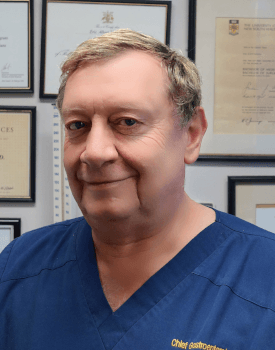
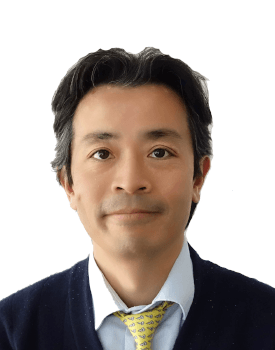
OUR SPECIALISTS





SERVICES
OUR ADDRESS
| Level 10 & 11, 1 Newland Street Bondi Junction NSW 2022 |
| Level 10 : Procedures |
| Level 11 : Consultations |